
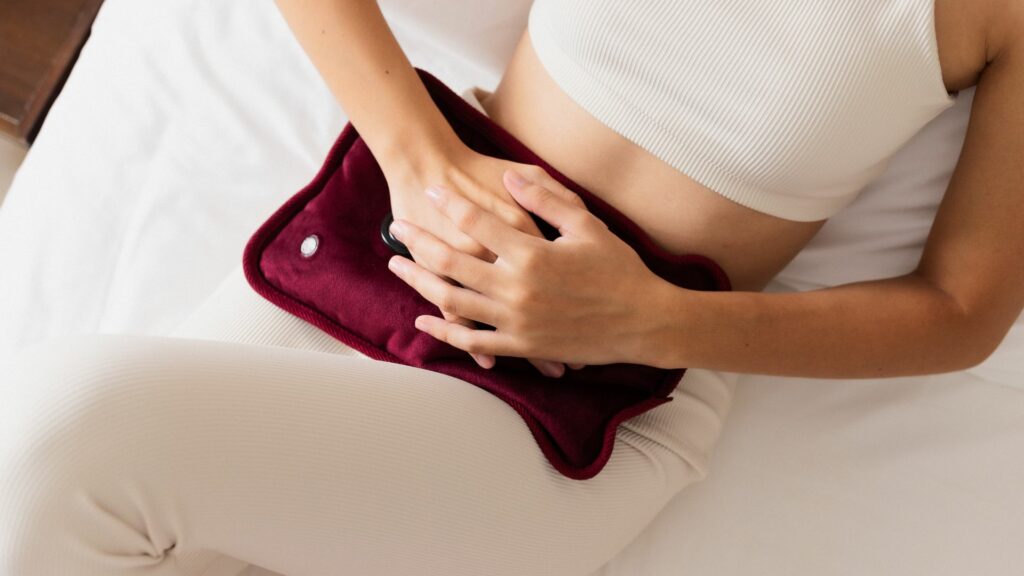
Wellness often focuses on meditation, nutrition, or self-care rituals, but menstrual health is just as important. The way we support our bodies during menstruation can influence physical comfort, emotional balance, and our connection to sustainability and mindfulness.
In recent years, many people have begun rethinking their period products in the same way they consider food choices or daily routines. They look for solutions that feel intentional, reduce waste, and encourage a gentler relationship with the body. One of the most meaningful changes has been the growing interest in the menstrual cup.
A More Mindful Cycle
Menstruation is a natural rhythm, yet many of us grow up treating it as something inconvenient or disruptive. Pads and tampons are designed for quick disposal, which often reinforces the habit of disconnecting from what the body is experiencing.
A menstrual cup offers a different kind of experience. It invites slowing down and noticing. Instead of exchanging products every few hours, cup users can check in with their comfort, acknowledge their physical sensations, and support their cycle rather than rushing through it.
Caring for a reusable item also adds an element of mindfulness. Washing and preparing the cup becomes a small ritual that links personal well-being with environmental respect. Using a cup can be a reminder that looking after yourself and caring for the planet can happen in the same quiet act.
Understanding the Menstrual Cup
A menstrual cup is a small, flexible device made from medical-grade silicone or thermoplastic elastomer. It is inserted into the vagina where it collects menstrual fluid. Once placed correctly, it forms a comfortable seal with the vaginal walls and offers up to 12 hours of leak-free protection.
Using the cup involves folding it, inserting it, and letting it open naturally. When it is time to empty it, the cup is removed, rinsed, and reinserted. At the end of each cycle, it can be sterilized by boiling for a few minutes and then stored for the next month.
The simplicity of the process brings a sense of ease. Instead of stocking up on products each month, one small item can support years of cycles.
The Wellness Benefits
Comfort and Confidence
Because the cup collects fluid rather than absorbing it, it does not dry out the vaginal walls or disrupt natural moisture. This can be especially helpful for people who experience irritation with disposable products.
The cup moves with the body and stays comfortable during exercise, rest, or sleep. For many, this freedom creates a calmer and more relaxed experience throughout the cycle.
A Sense of Control
Using a cup encourages body awareness. Learning to insert and remove it teaches people about their anatomy and flow patterns. Over time, users often feel more in tune with their cycle and better able to anticipate how their body changes from day to day.
This familiarity can reduce anxiety and build confidence. It transforms the menstrual experience from something to endure into something to understand and support.
Sustainable Self-Respect
Sustainability is not only about the environment. It is also about honoring the intention behind daily actions. Disposable products generate a significant amount of waste over a lifetime. A menstrual cup can last many years, which reduces waste and resource use.
Choosing reusable items can feel like a form of self-respect. It aligns personal health with environmental care, creating a sense of harmony between the individual and the world around them.
The Emotional Side of Switching
Transitioning to a menstrual cup can bring mixed feelings. Some people feel curious, others hesitant, and many experience both. In the beginning, the process of learning to use the cup may feel unfamiliar. If discomfort or persistent pain arises, seeking guidance through Pelvic Pain Treatment can help address underlying issues and support a more comfortable experience.
With practice, most people find their comfort and develop a routine that feels natural. The learning process can be meaningful. It encourages patience, openness, and trust in the body. The reward is often a new sense of ease and confidence that carries into other parts of life.
Online communities, guides, and tutorials offer reassurance and help newcomers feel supported as they learn. The shift can become an opportunity to embrace change with mindfulness and gentleness.
Safety and Science
The menstrual cup has been examined in clinical and laboratory settings, and research supports its safety when used correctly. It does not increase the risk of infection or Toxic Shock Syndrome when cleaned as recommended.
A 2018 study in Applied and Environmental Microbiology found that thermoplastic elastomer, a material used in some cups, showed lower levels of bacterial growth compared to certain other materials in controlled conditions. Although TSS remains extremely rare with any product, this study adds reassurance for those concerned about safety.
The key is proper hygiene. Washing hands before insertion, rinsing the cup with clean water, and sterilizing between cycles helps maintain safety and longevity.
Living in Rhythm
Menstruation is a cycle, not an interruption. Learning to support this rhythm can create a sense of balance. A menstrual cup can help people slow down and listen to the body, noticing energy levels, mood shifts, and physical sensations.
Some people find their periods become less stressful once they take a calmer, more intentional approach. Small rituals such as warm baths, gentle movement, or herbal teas can complement the mindful experience of using a reusable cup.
Final Thoughts
Wellness is not only about what we eat or how we exercise. It is also shaped by the quiet choices we make each day. A menstrual cup represents a way to bring mindfulness into a part of life that many people overlook.
By choosing a reusable, body-friendly tool, you honor both your health and the environment. You give yourself permission to move with your natural rhythms and care for your body with greater awareness.
For many, switching to a menstrual cup becomes more than a practical decision. It becomes a moment of connection, intention, and self-compassion.